Brain Artery Stenosis impacts millions. We pioneered a new approach.
CeroFlo is pioneering a next-generation intracranial stent for Intracranial Atherosclerotic Disease (ICAD), the most urgent and underserved market segment of stroke.
Stroke’s Largest & Most Underserved Market
Intracranial Atherosclerotic Disease (ICAD) is the leading cause of stroke globally. Each year, over 1.5M patients suffer an acute stroke caused by ICAD, yet ICAD remains one of the least treated conditions in neurology.
Today’s patients receive no intervention until they’ve suffered multiple strokes. This creates a vast economic burden and leaves a large, asymptomatic population at high risk.
The result is a huge, underserved market with no safe procedural solution, and a clear opportunity to change the trajectory of stroke care.
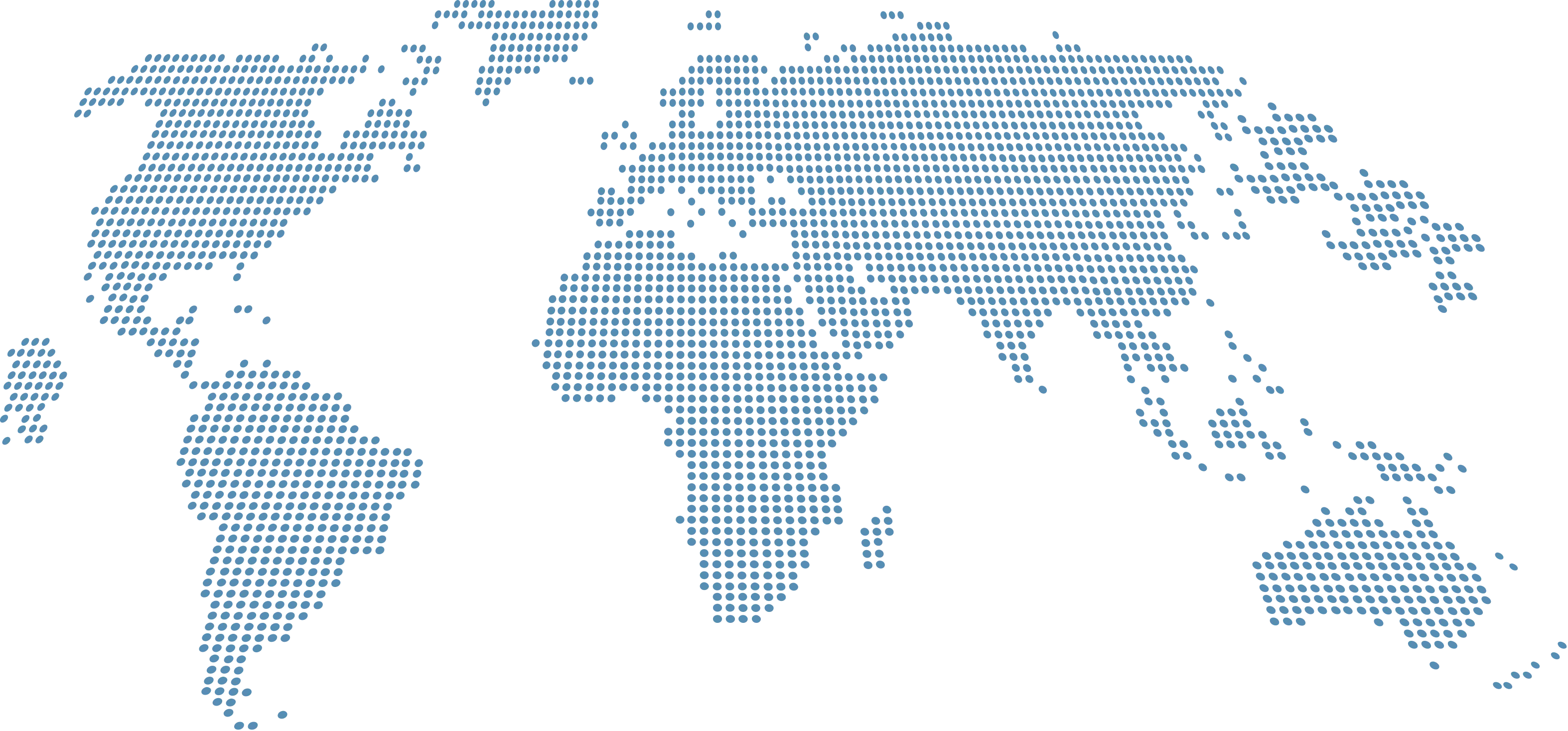
BRAZIL-39%
USA-10%
EU-10%
CHINA-47%
JAPAN-33%
INDIA-50%
FIG.1 : PERECENTAGE OF STROKE patients with ICAD
UNDERSTANDING ICAD
The next frontier in Stroke treatment
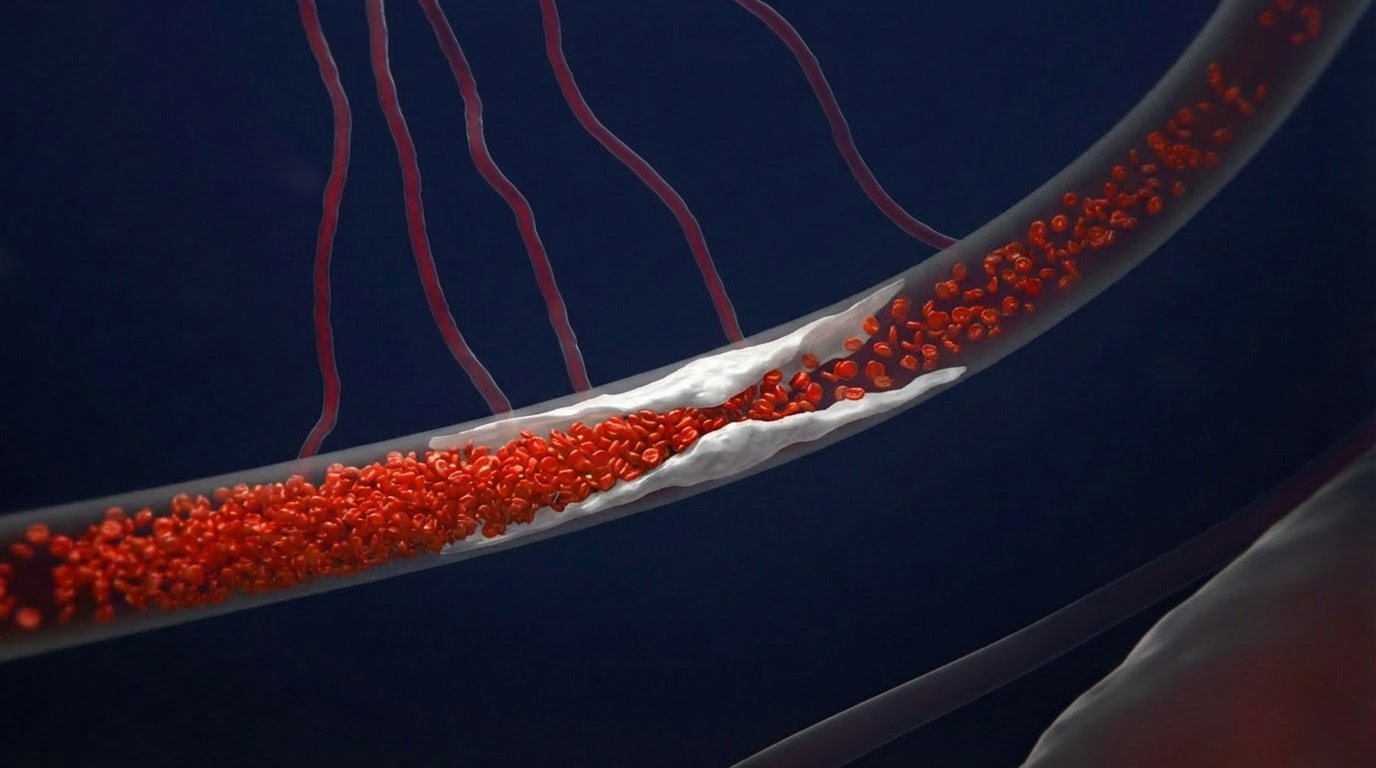
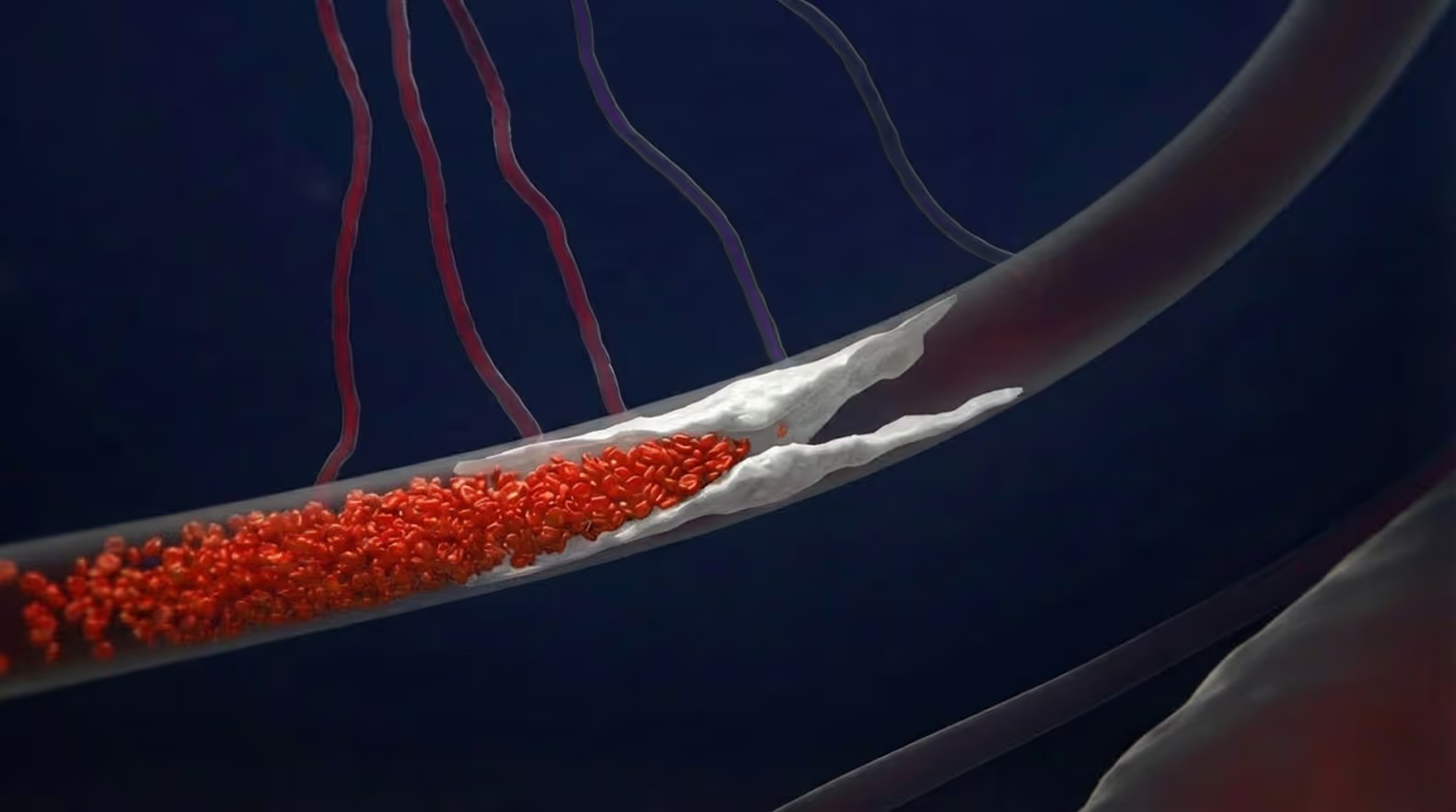
In ICAD, plaque build up restricts blood flow to the brain. As the vessel narrows, the risk of stroke rises sharply and often without symptoms. It’s a simple mechanical problem with no safe modern solution.


1
Healthy Vessel
2
Plaque Build Up
3
Stenosis & stroke

Our device is designed to safeguard blood flow to the brain while minimizing complications. Our novel approach opens the door to safer treatment, broader patient eligibility and a new era in preventative stroke care.

HOW IT WORKS
The SubMax Stent is the world’s first dedicated intracranial stent designed to treat stenoses without the need for balloon angioplasty—an approach that has the potential to eliminate many of the procedural risks and complications that currently limit patient benefit, while offering a safer, more effective option for restoring cerebral blood flow.

Have a question? Get in touch
Footer